How Studying Abroad Redefined How I Live My Life
When I first imagined studying abroad, I thought mostly about academics. I expected to take classes in a different country, experience a new culture, and return home with something interesting to add to my résumé.
What I did not expect was for studying abroad to change the way I understood my entire life.
As a computer science student, I was used to learning through projects: build something, test it, fix it, and move on. My university in Taiwan gave me a different academic experience. There was more emphasis on theory, algorithms, and proving why something worked—not just applying it. Working through numerous proofs and thinking more deeply about the foundations of computer science was challenging, but it also expanded my understanding of what it meant to learn.
That academic contrast was only the beginning. Studying abroad also gave me a second first year of college.
Starting college means being pulled away from the world you know and placed among thousands of people doing the same thing. Everyone arrives from somewhere different, but you are all suddenly trying to redefine yourselves at once: who you are, what you value, and what kind of life you want to build.
A few years into my university experience, I moved to Taiwan with more self-awareness than I had when I first started college. I knew what it felt like to leave home, but this time I could reflect on how I had handled that transition before. I could approach friendships more intentionally, take more risks, and pay closer attention to the kind of person I wanted to become.
That transition came with a new challenge: staying connected to the people I already cared about while creating space for new relationships. It is easy to take friendships for granted when you see someone every day. Thousands of miles make that impossible. The texts from friends back home, the calls to catch up, and the small updates about our lives became deliberate acts of connection. Distance did not necessarily weaken those friendships. In some cases, it brought us closer because we had to choose, again and again, to stay involved in each other’s lives.
Taiwan also gave me an unexpected sense of grounding. Completely by chance, I discovered that two of my friends from high school were attending the same university. I had moved halfway across the world, only to run into familiar faces from the place I had left behind. Seeing them there reminded me that starting over does not mean abandoning everything that came before. Sometimes, the people who shaped your past can become part of the life you are building somewhere new.
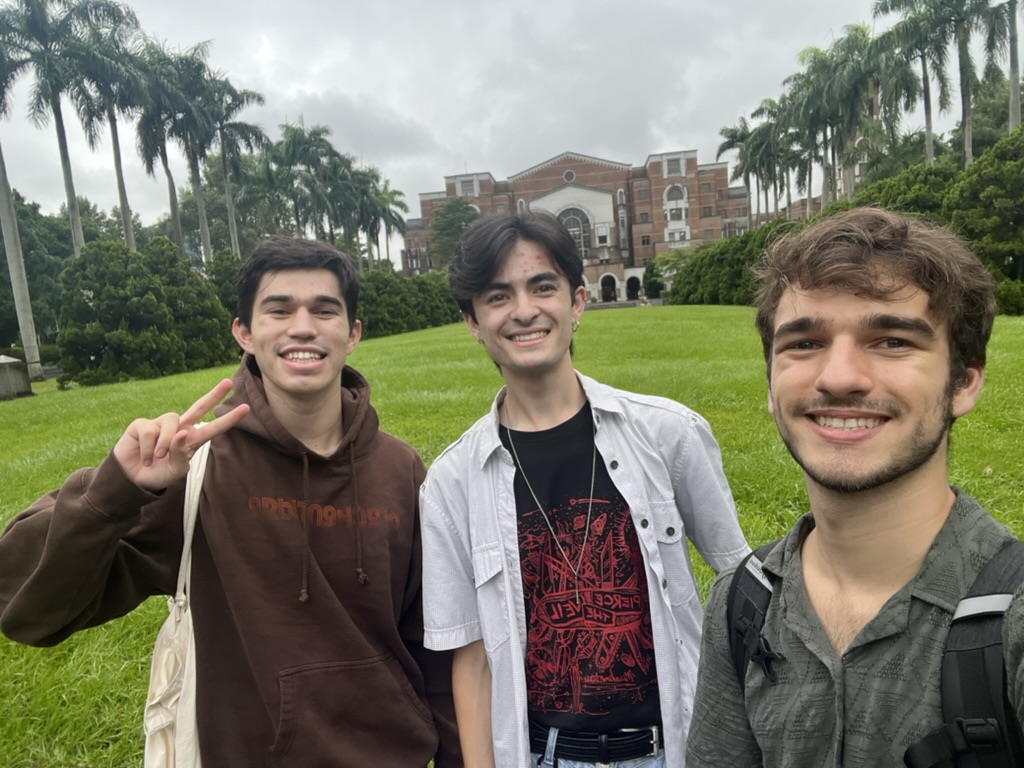
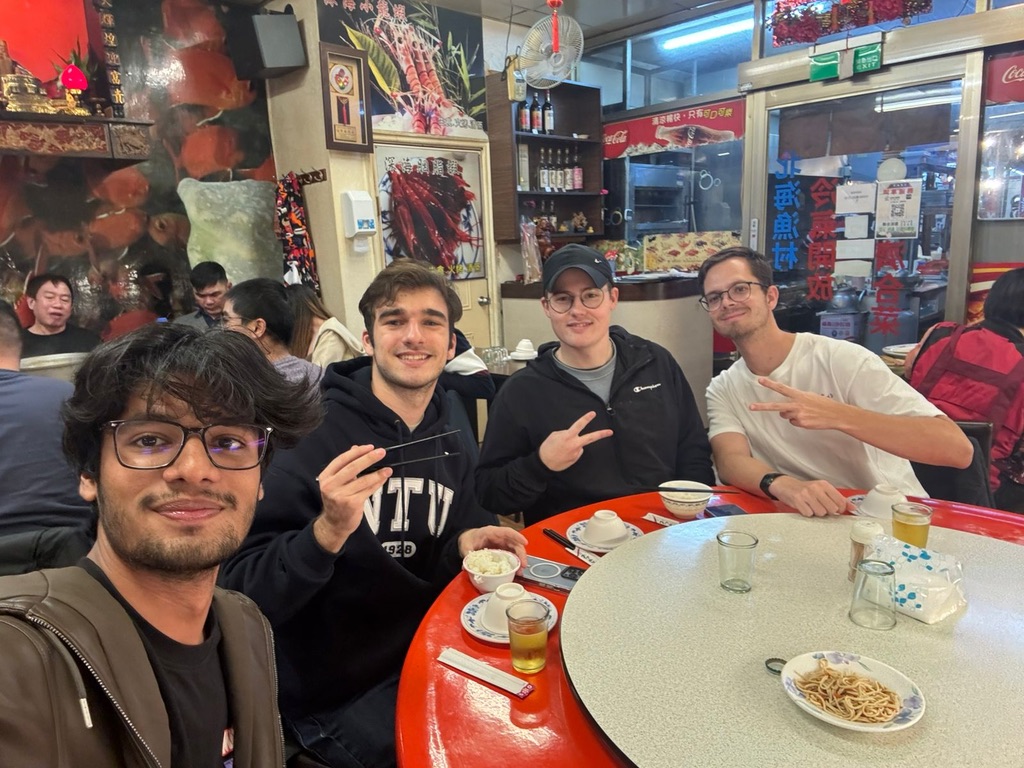
At the same time, it was not enough to stay connected only to the people I already knew. Studying abroad created an unusual opportunity to meet people from all over the world. My roommates included an Austrian, a German, and an Indian student. Through the larger California State University international program, I also met students from universities across California and people from countries I had never visited.
We came from different places and different cultures, but we shared the experience of trying to make a temporary place feel like home. Many of our strongest memories came from ordinary evenings: sitting together over food or drinks and talking about where we came from. We compared our homes, families, schools, and societies, and every conversation I had with my peers expanded my worldview in a new way.
Those relationships did not end when the semester did. Years later, two or three of us still get together to travel somewhere in the world. We have open beds waiting for us in different countries, and a growing collection of stories that span continents. There is something special about watching your friends spread out across the map as you grow older. But there is something even more special about knowing that distance does not have to end a relationship.
That same willingness to build a life beyond my existing routines changed how I spent my time.
As a computer science student, it is easy to become accustomed to long hours coding, sitting at a desk, and rarely going outside. There is a reason people joke that computer science students need to be told to “touch grass.” We spend our days in drab buildings, basement classrooms, and dark rooms lit by terminal windows.
Before Taiwan, I had become comfortable with that sedentary rhythm. I was used to staying in my room, studying, and treating everything outside of school as secondary. But when you are halfway across the world—and may not return for a long time—you start to see staying inside as a choice. Taiwan forced me to make time to explore.
I watched my friends and roommates travel to Japan, South Korea, Vietnam, China, Macau, and the Philippines. Some of them seemed to be going somewhere new nearly every weekend. Their example showed me that there was more to college than simply completing whatever was assigned. You also had to make time for discovery. You had to make time for other people.
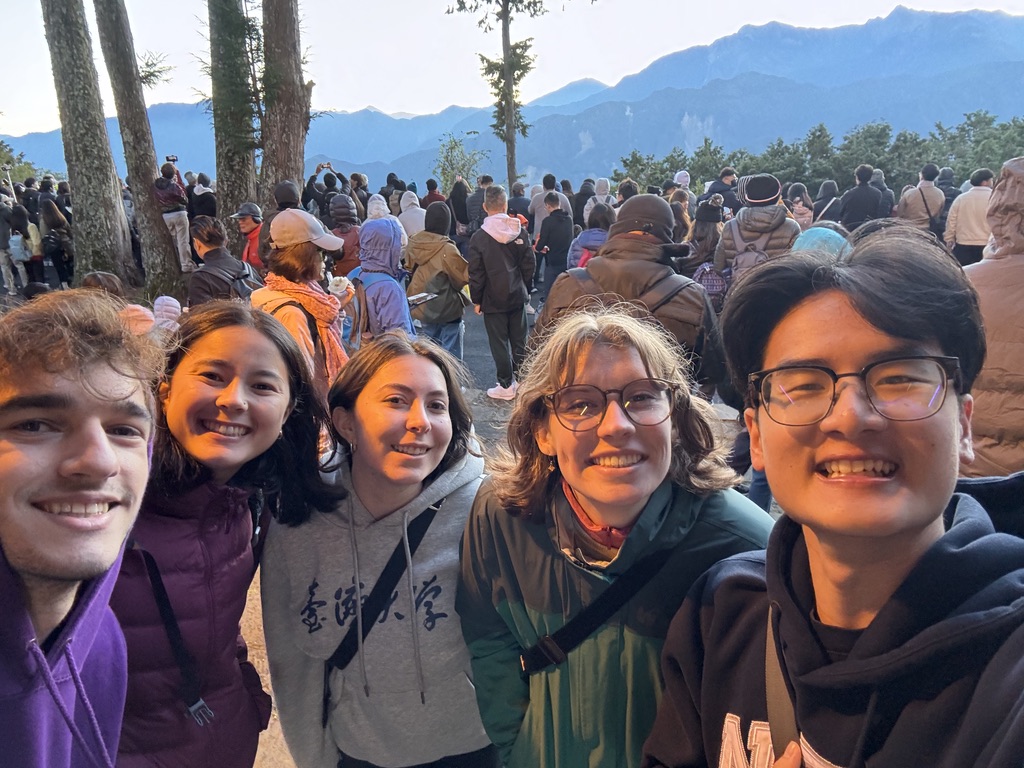
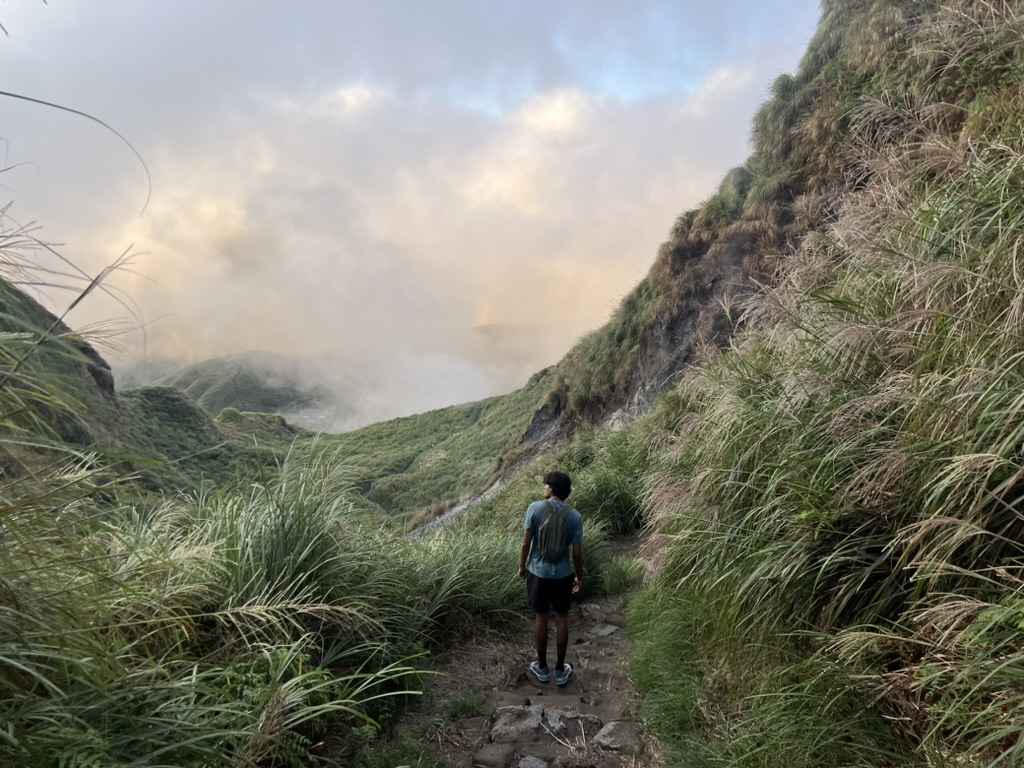
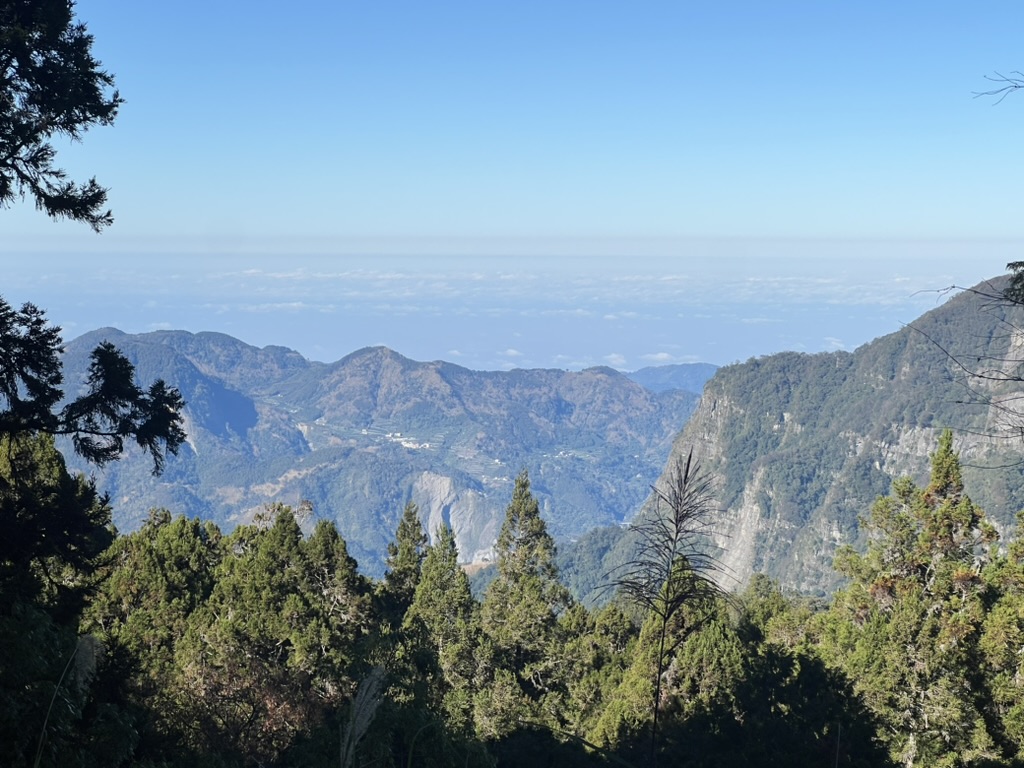
I began traveling every other week to a different city in Taiwan. Sometimes that meant snorkeling with sea turtles near the southern tip of the island. Other times, it meant hiking through Alishan, more than 2,000 meters above sea level, and watching the sunrise from the mountains. Sometimes it meant rushing to finish an assignment so I could catch a train two hours later, only to arrive in a new city and ask my friends, “Where are we?”

That was part of the fun. I was learning to cultivate a willingness to be spontaneous—to say yes to an unfamiliar place, an unplanned trip, or an ordinary afternoon that might become a memorable story. That “down for anything” mentality was not something I had always possessed. I had to practice it.
Speaking of practicing new things, living in a country where I no longer spoke the majority language was one of the most significant new experiences I encountered. At home, I had taken for granted how easy it was to have a simple conversation and move through society without thinking about how I was being understood. In Taiwan, communication became something I had to practice every day.
I spent at least ten hours a week in Chinese classes, but the learning continued outside the classroom—in restaurants, convenience stores, on public transportation, and in every ordinary interaction where I had to find a way to make myself understood.
That experience reminded me what it means to be a lifelong learner. We often talk about learning as if it happens through formal education, but we take for granted how much we already know about simply existing in our own society. We know how to present ourselves, how to communicate, and how to navigate familiar customs without consciously thinking about them.
Living abroad made those invisible skills visible again. Whether I was learning a new language, adapting to unfamiliar customs, or figuring out how to communicate across cultural differences, every part of the day became an opportunity to learn something new.
I learned from the way people moved through Taiwan. Public transportation was affordable and reliable, and systems like the MRT and U-Bike made it easy to get around without a car. I noticed how common scooters were, how people adapted to frequent rain, and how convenience stores such as 7-Eleven and FamilyMart functioned as part of everyday life.
Even the landscape became part of my education. Taiwan is compact enough that you can travel from the coast into dramatic mountain terrain within a few hours. The island brings together beaches, cities, forests, and high elevations in a way that constantly encourages movement and curiosity. You can spend one day near the ocean and the next looking out across the mountains from more than 2,000 meters above sea level.

I had gone to Taiwan expecting to study computer science in a different academic environment. Instead, I learned that education also happens through the simplest, most mundane parts of our lives—through conversations with other people, shared meals with friends, daily routines, and unfamiliar moments that force us to pay closer attention. Studying abroad taught me that making the most of life requires more than doing what is expected of you. It requires creating room for the unexpected, maintaining the relationships that matter, and remaining open to the people and experiences that broaden your understanding of the world. The most important thing I brought home from Taiwan was not a souvenir or a line on my résumé, but a different way of living: more intentional, more curious, and more willing to learn from whatever was in front of me. That experience did not just change where I lived for a semester. It continues to redefine how I live my life to this day.